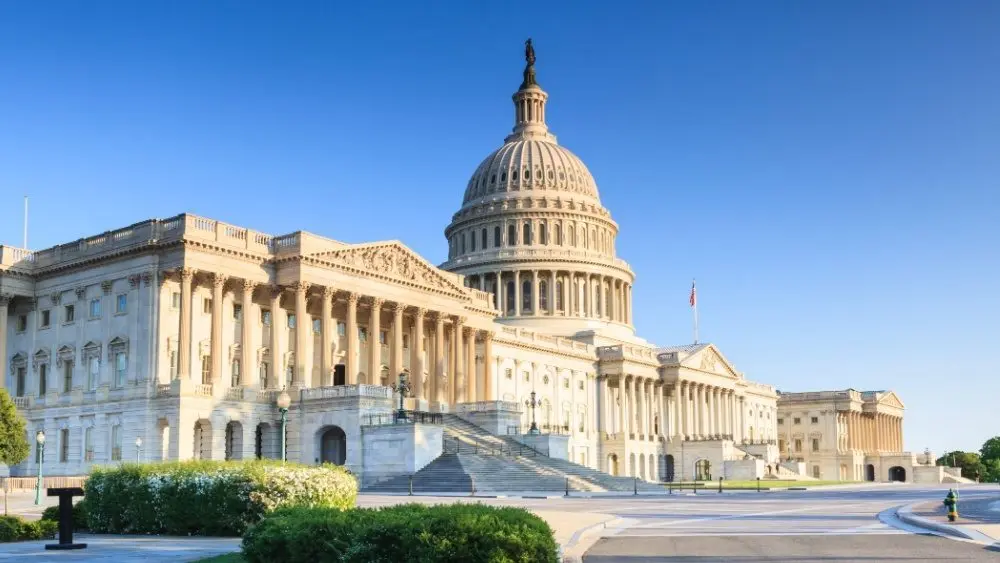
The House has approved a Senate-backed measure to restore funding to most of the Department of Homeland Security (DHS), bringing an end to a record-setting shutdown that stretched more than 10 weeks. The bill, passed by voice vote, now heads to President Trump, who is expected to sign it and officially reopen the agency — and in doing so, DHS agencies will resume normal operations, closing the chapter on the longest shutdown in the department’s history.
The House’s decision follows weeks of delay, even after the Senate unanimously passed the measure in March. Internal divisions among House Republicans had slowed progress, but momentum shifted after both chambers advanced a broader budget framework earlier this week. That plan directs committees to draft legislation allocating roughly $70 billion for immigration enforcement over the next several years.
The agreement reflects a two-track strategy worked out among House Speaker Mike Johnson, Senate Majority Leader John Thune, and President Trump: immediately reopen DHS by passing the Senate bill, while advancing a longer-term funding solution for immigration enforcement agencies through a separate legislative path. Lawmakers moved quickly ahead of a scheduled congressional recess, also juggling urgency around renewing a key surveillance authority, FISA Section 702, which officials warn is critical to national security.
The funding lapse began on Feb. 14, disrupting operations across DHS and straining employees who went without reliable pay. While the legislation reopens much of the department through the end of the fiscal year, it notably excludes new funding for Immigration and Customs Enforcement (ICE) and Border Patrol—two agencies at the center of an ongoing political fight over immigration policy.
Democrats had pushed to limit funding for those enforcement arms, citing concerns about immigration tactics, while Republicans opposed those conditions and instead plan to secure funding for ICE and Border Patrol through a separate budget reconciliation process. That approach would allow them to pass funding with a simple majority in the Senate, bypassing Democratic support.
Pressure to act intensified as Homeland Security Secretary Markwayne Mullin warned that emergency funds—previously redirected to cover payroll—were close to running out, raising the risk of missed paychecks and operational disruptions, including at airports.
The shutdown’s impact was felt most heavily by agencies such as the Coast Guard, Transportation Security Administration (TSA), and Federal Emergency Management Agency (FEMA). Coast Guard Commandant Adm. Kevin Lunday described the situation as “incredibly frustrating,” noting deep dissatisfaction among service members. Despite the funding gap, ICE and Border Patrol operations largely continued, supported by significant allocations approved in prior legislation.
Editorial credit: Cvandyke / Shutterstock.com